
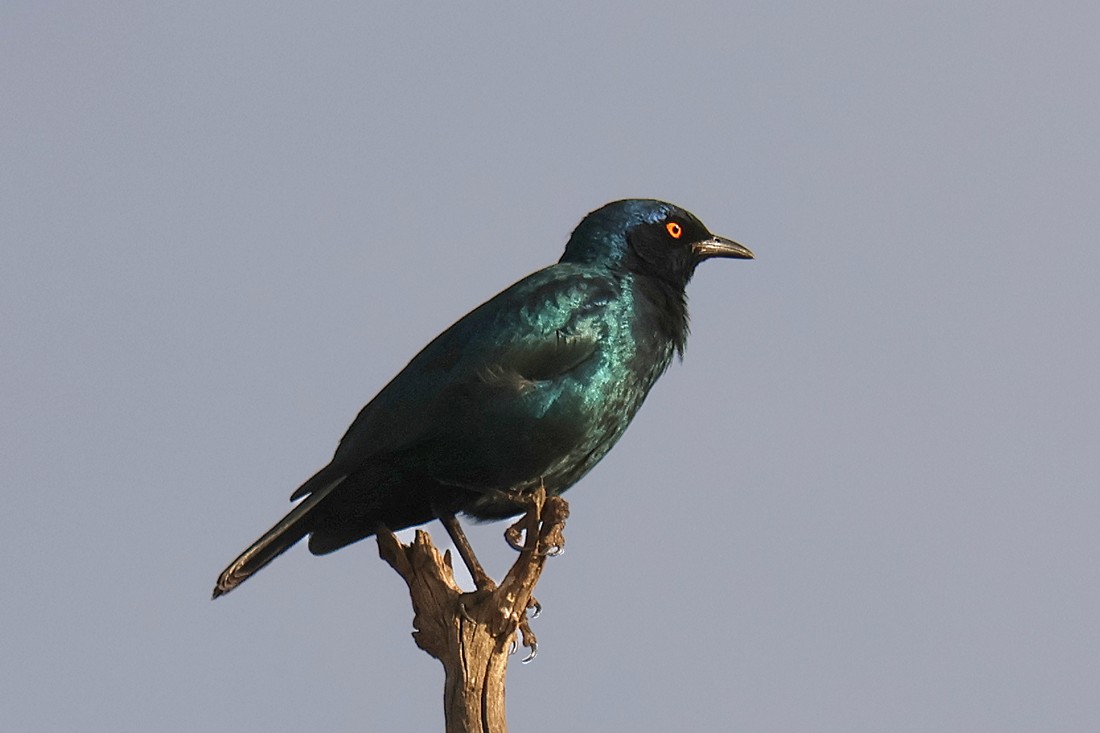
 4698 The eye of the Cape glossy starling seems to vary between straw-yellow in juveniles and yellow-orange in adults
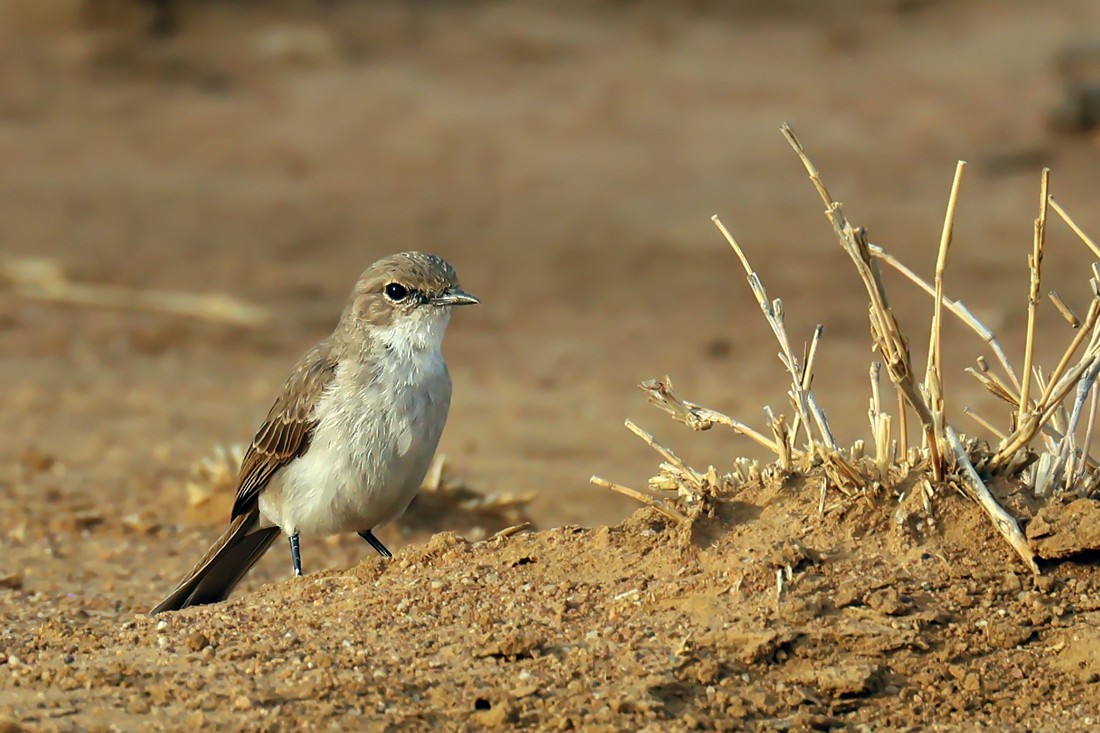 4699 The marico flycatcher is a bird of the arid thornveld
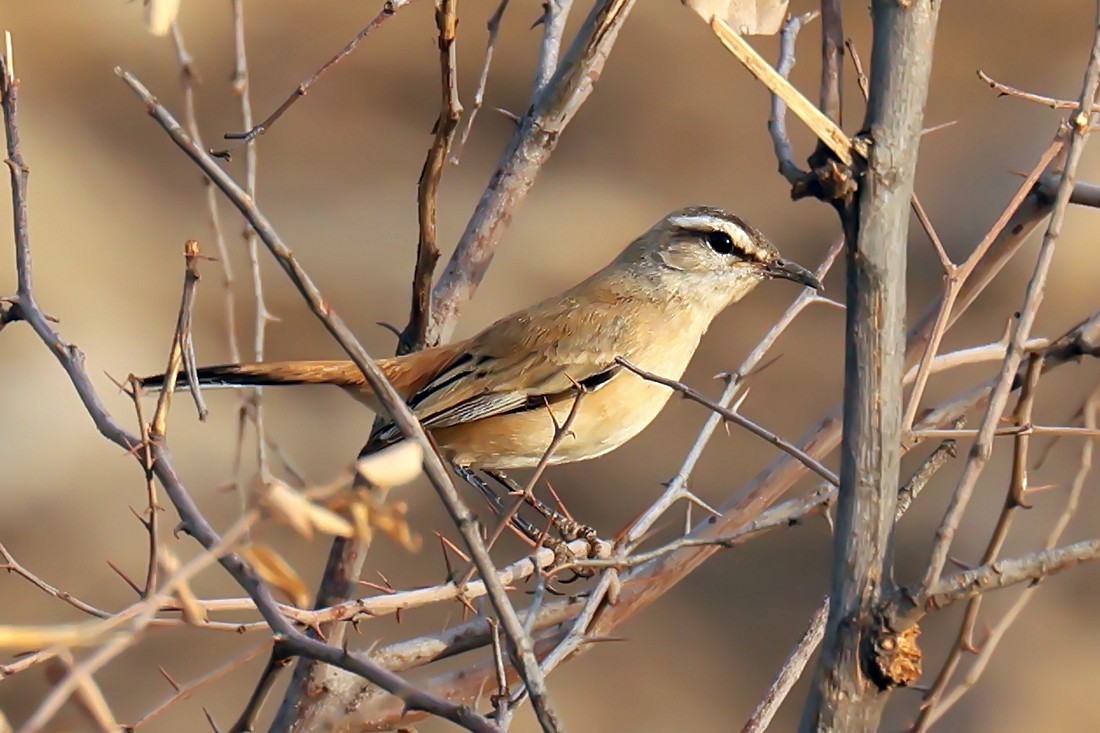 4700 Kalahari scrub robin. Often forages on the ground and holds its tail cocked
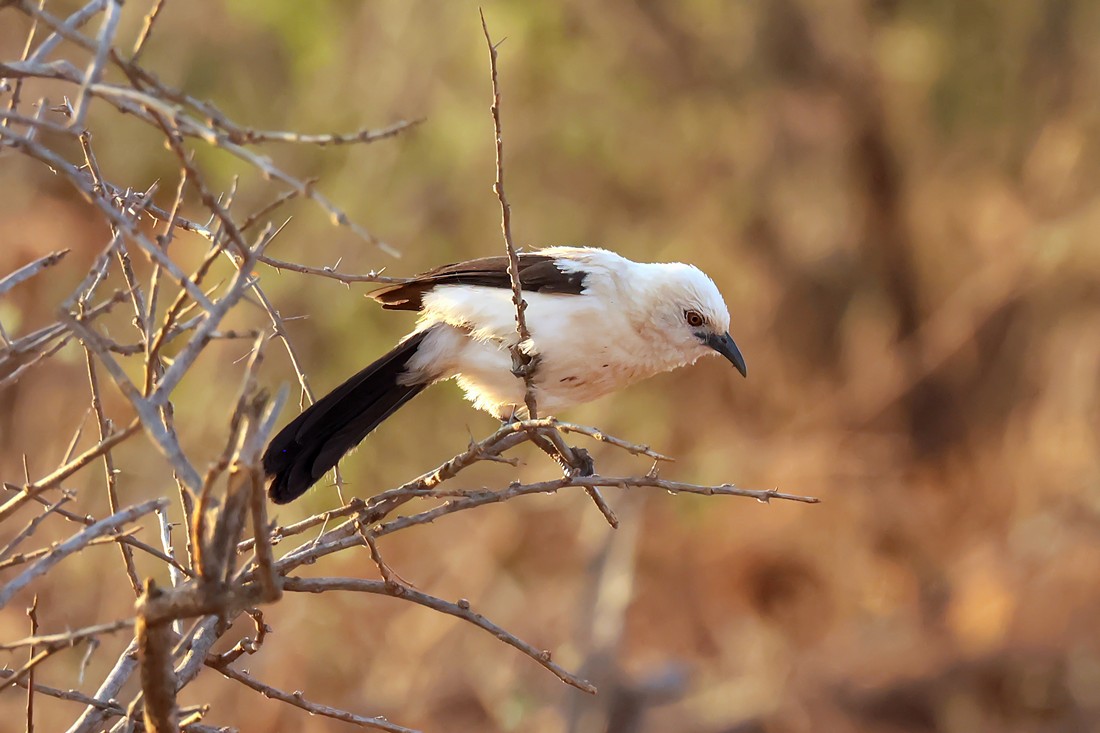 4701 The southern pied babbler is highly sociable, living in groups of three to fifteen
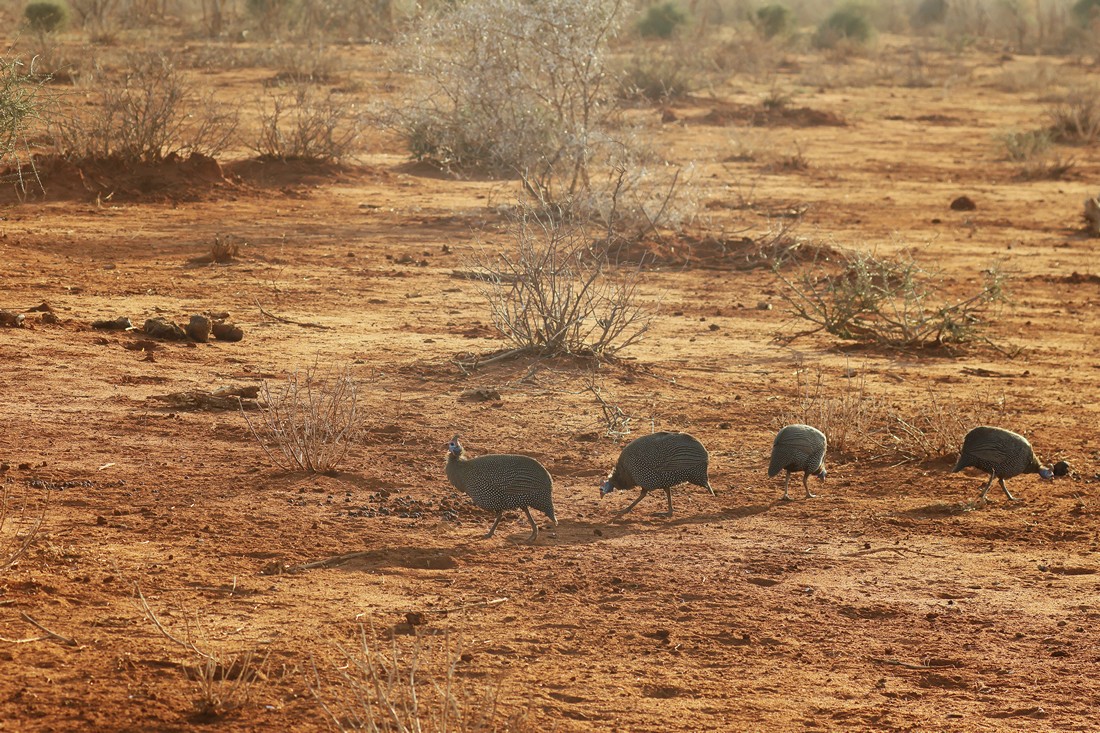 4702 The crested guineafowl in a common and very noisy resident, quick to give alarm calls. Flocks can number in the hundreds
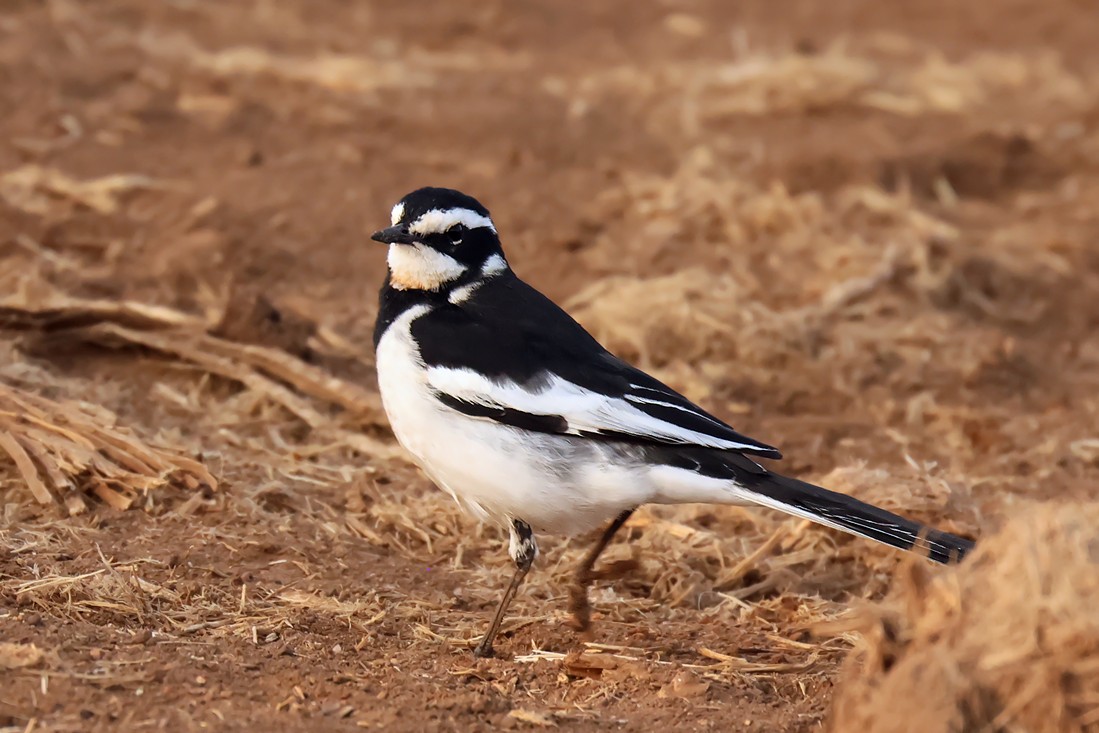 4703 The only black and white wagtail in South Africa, the African pied wagtail is common near water bodies
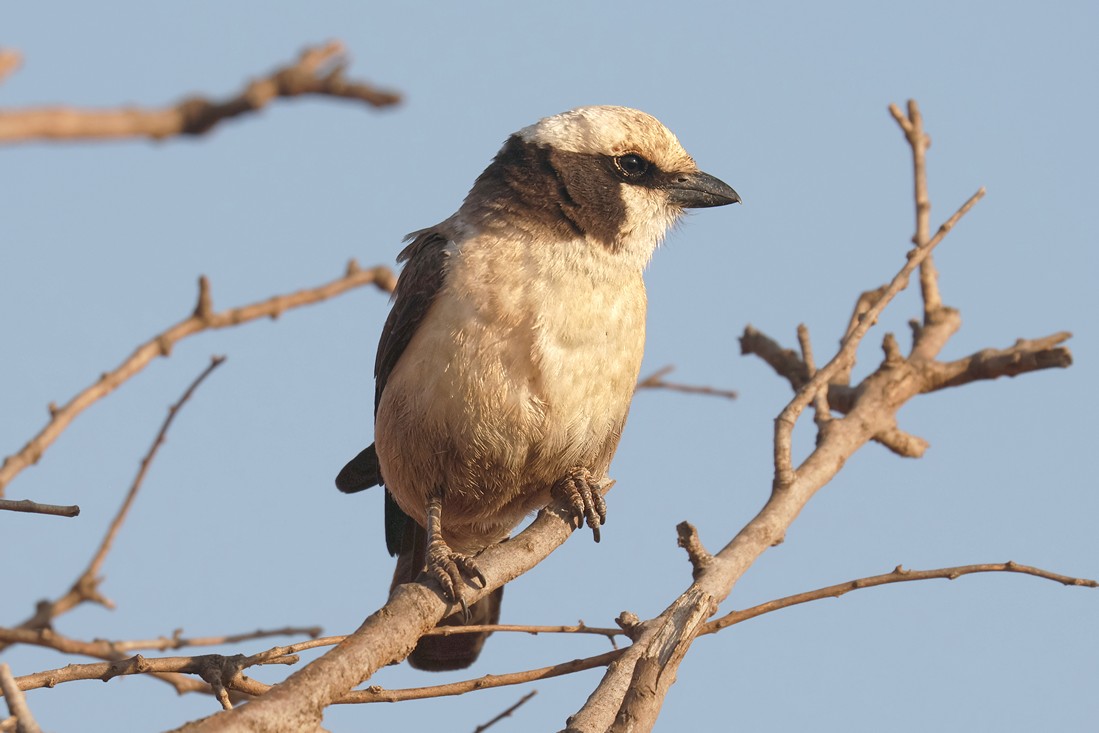 4704 Groups of up to ten southern white-crowned shrikes are common in dry savannah woodland
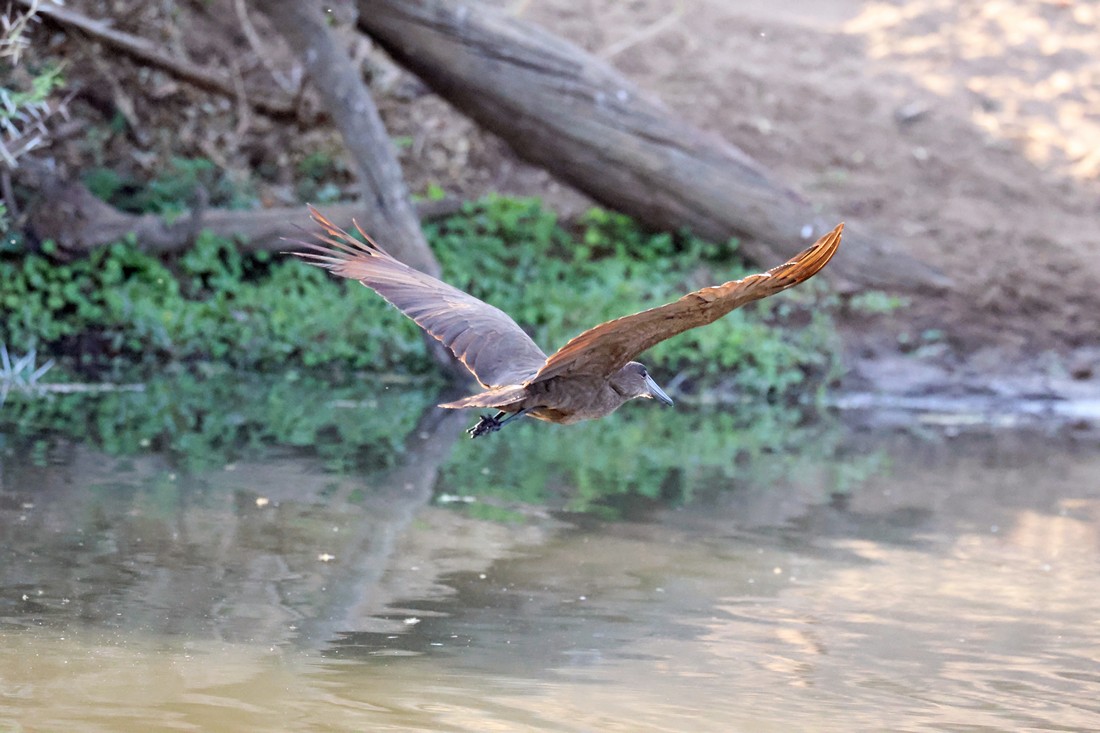 4705 In Zulu folklore the hammerkop or lightning bird is said to bring thunder and lightning with its wings and talons
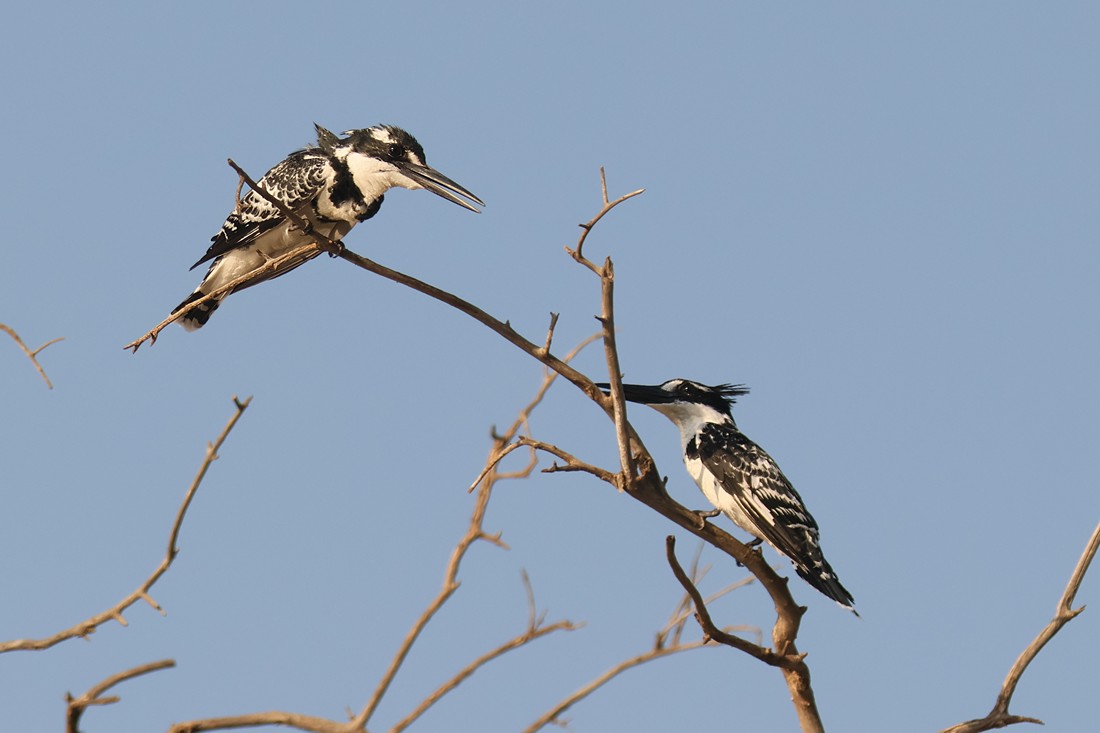 4706 Pied kingfishers are often seen hovering high above the water, looking for fish
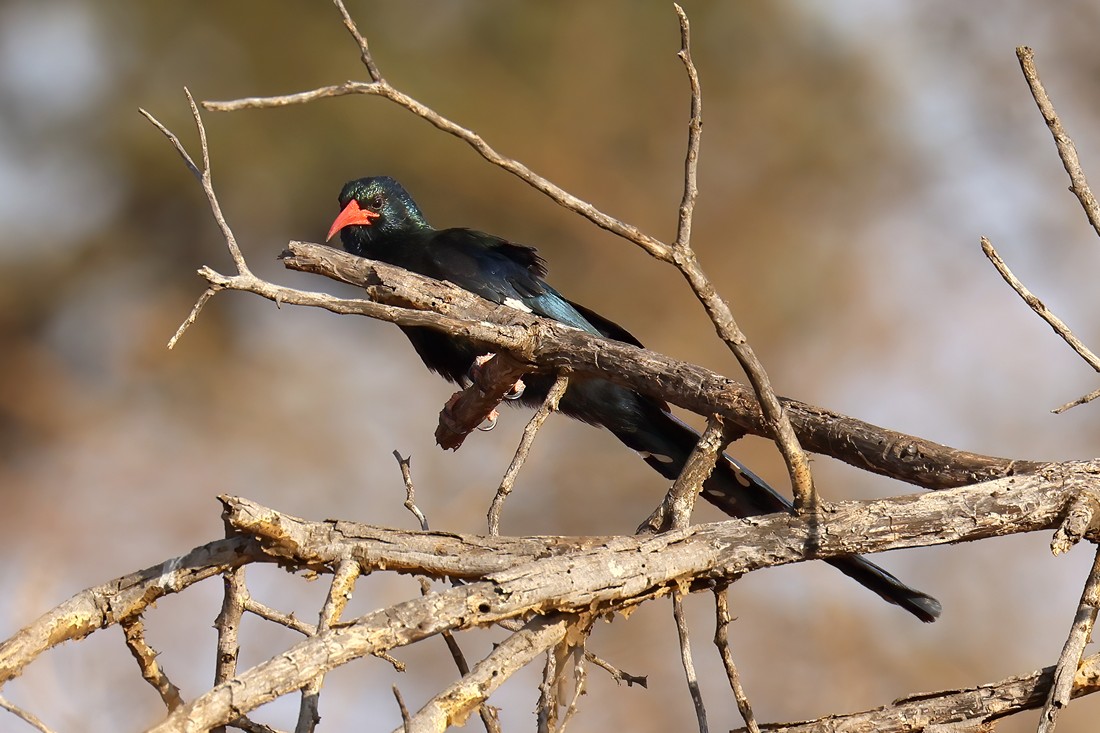 4707 The green wood-hoopoe uses its long decurved beak to probe for invertibrates
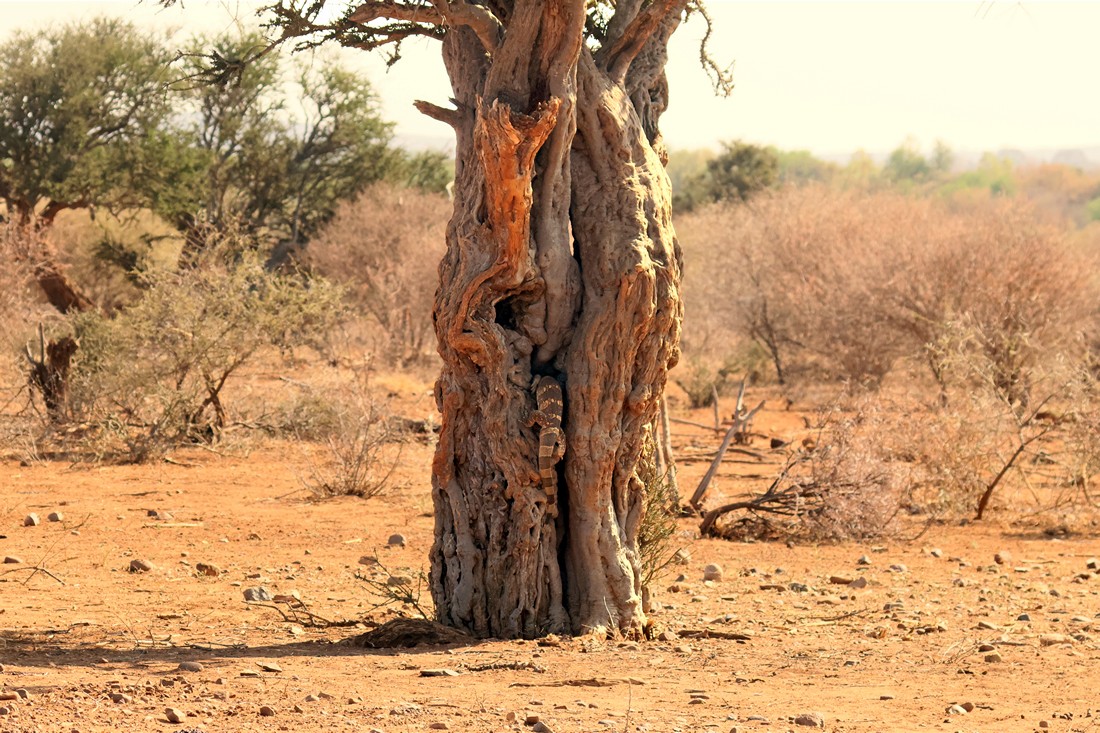 4708 A rock monitor heading for a hole in the tree
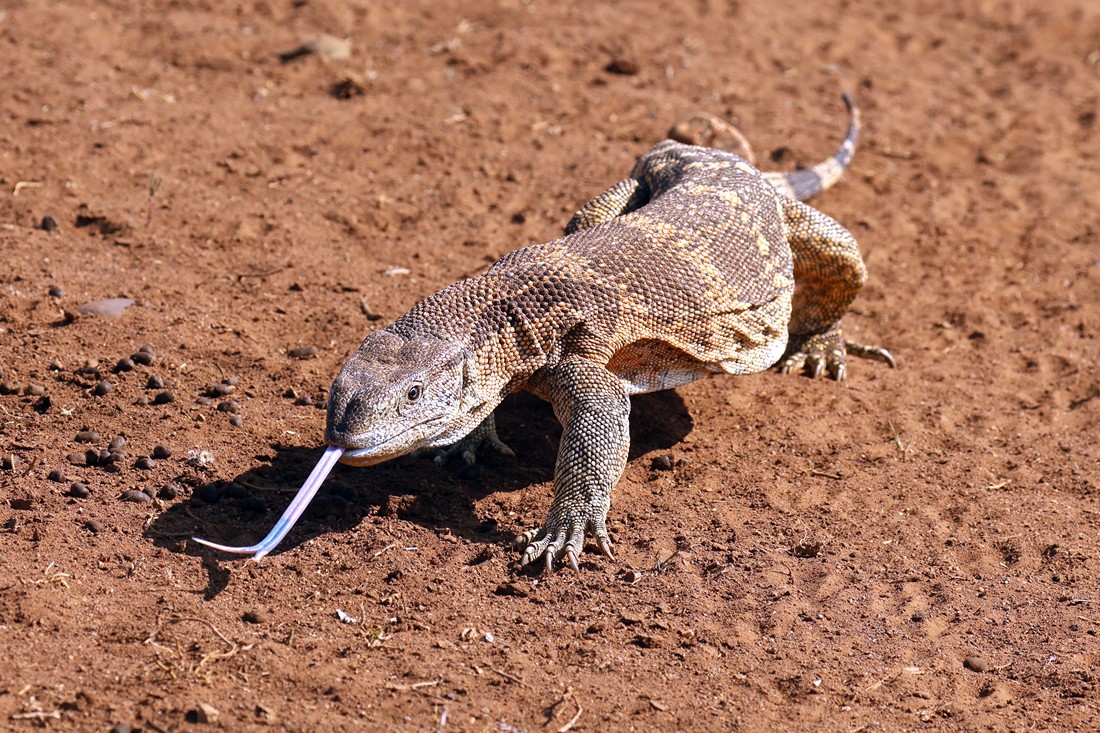 4709 Rock monitors look for anything alive that is small enough to eat including invertebrates and eggs
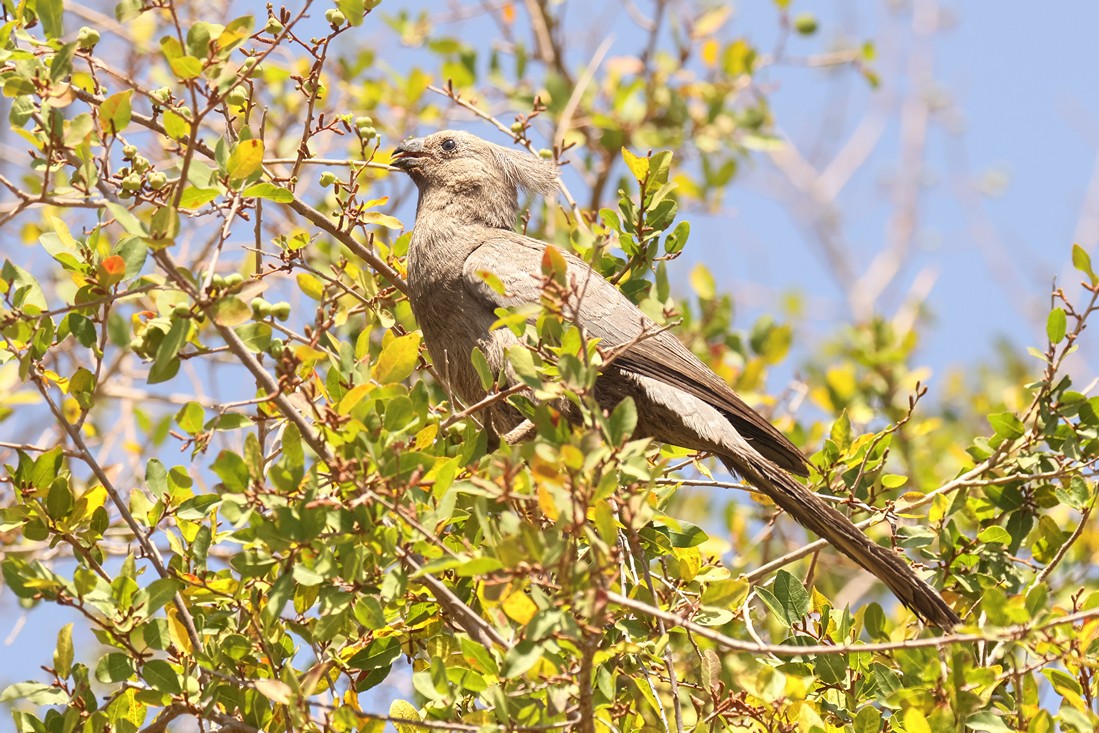 4710 Grey go-away birds or Louries like to perch in groups near the tops of trees
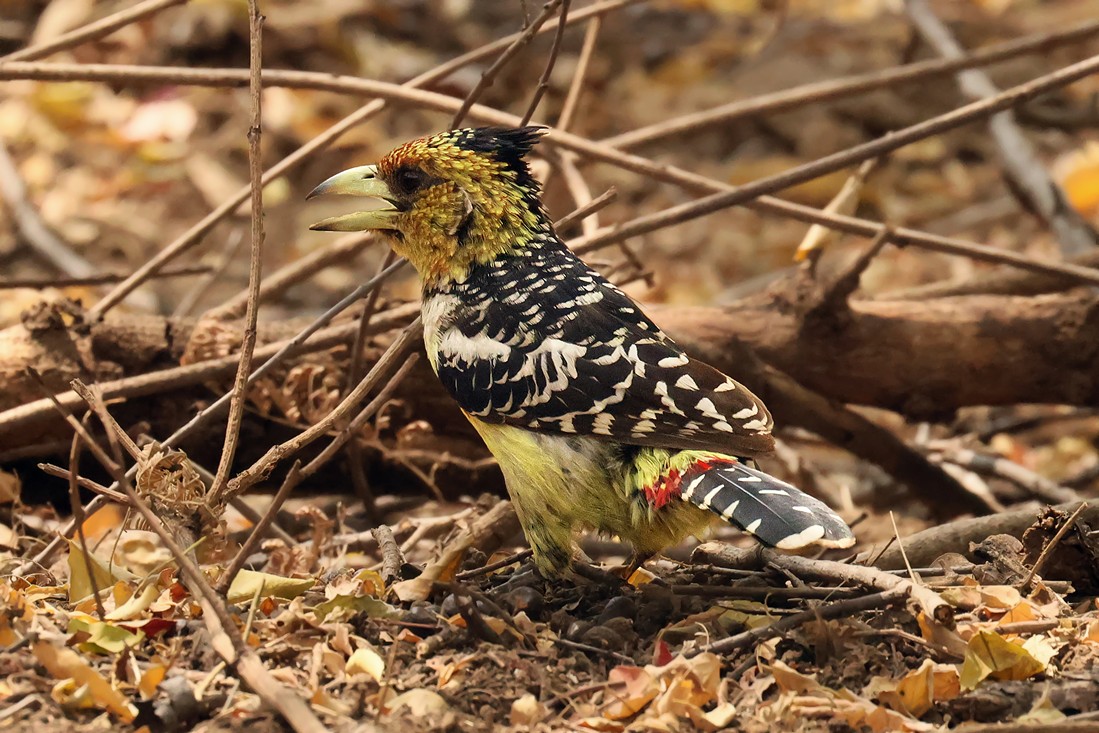 4711 The crested barbet with its distinctive shaggy crest. An omnivorous woodland bird that often feeds on the ground
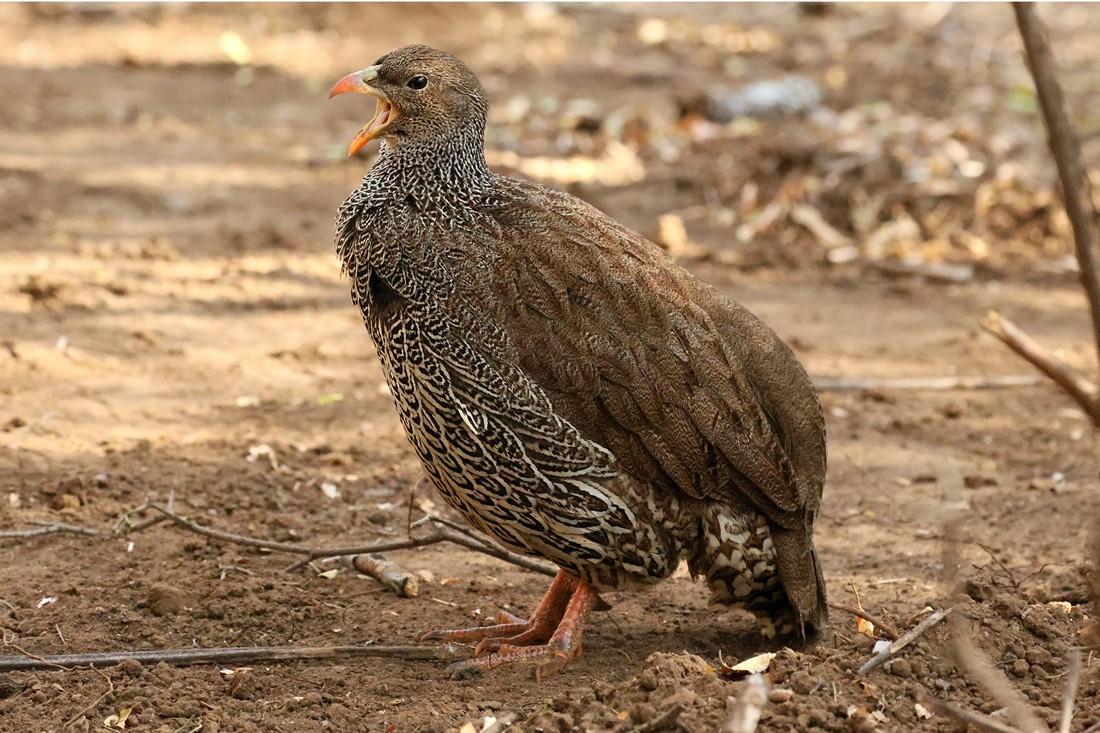 4712 The Natal spurfowl is a ground living woodland bird that feeds on seeds and insects
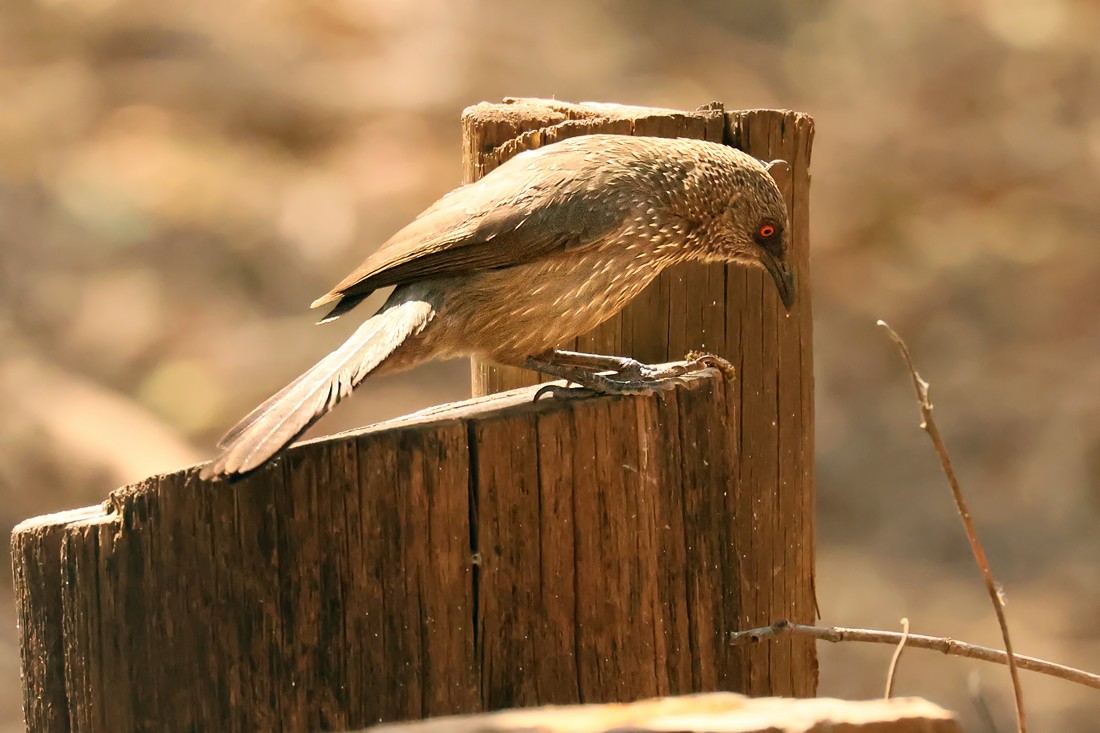 4713 Arrow-marked babblers are known for being noisy and gregarious, they live in tight-knit, territorial groups of 3–15 birds
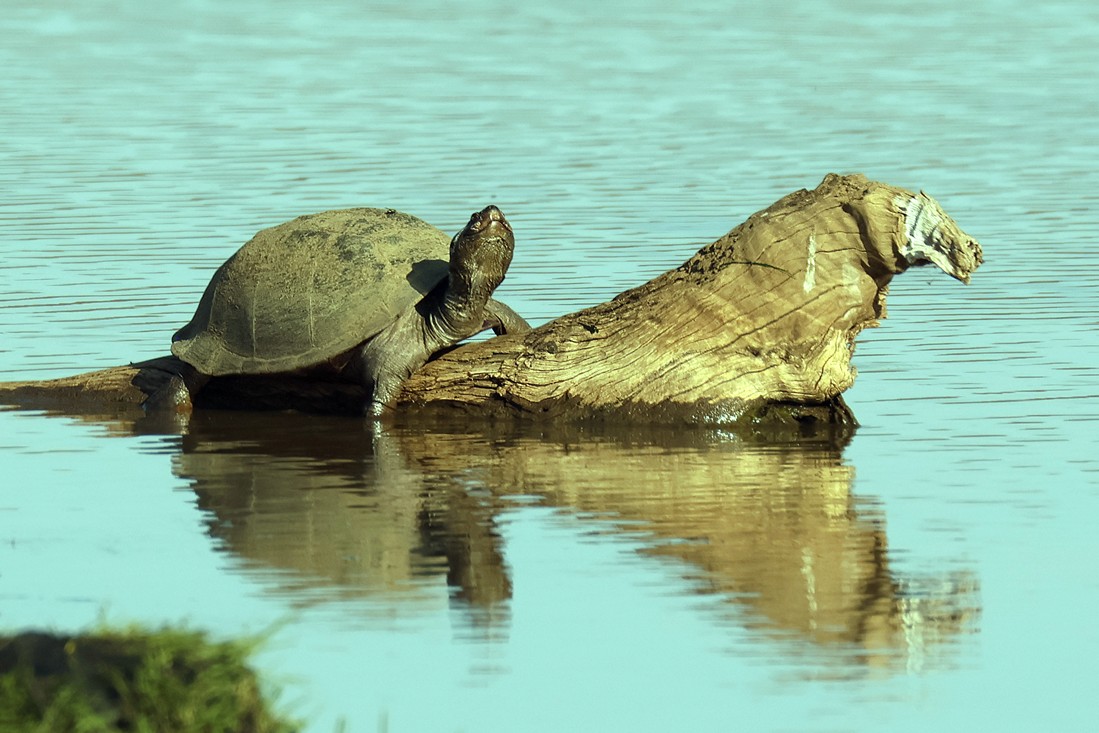 4714 A marsh terrapin in one of the waterholes
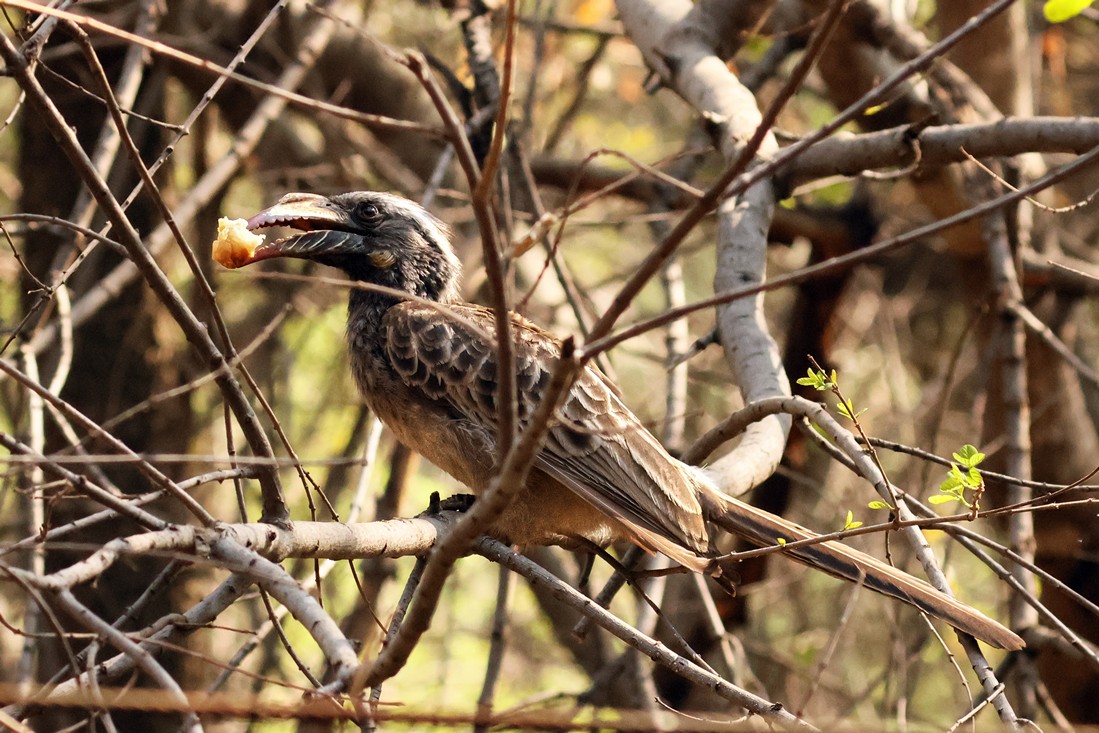 4715 A rather drab African grey hornbill
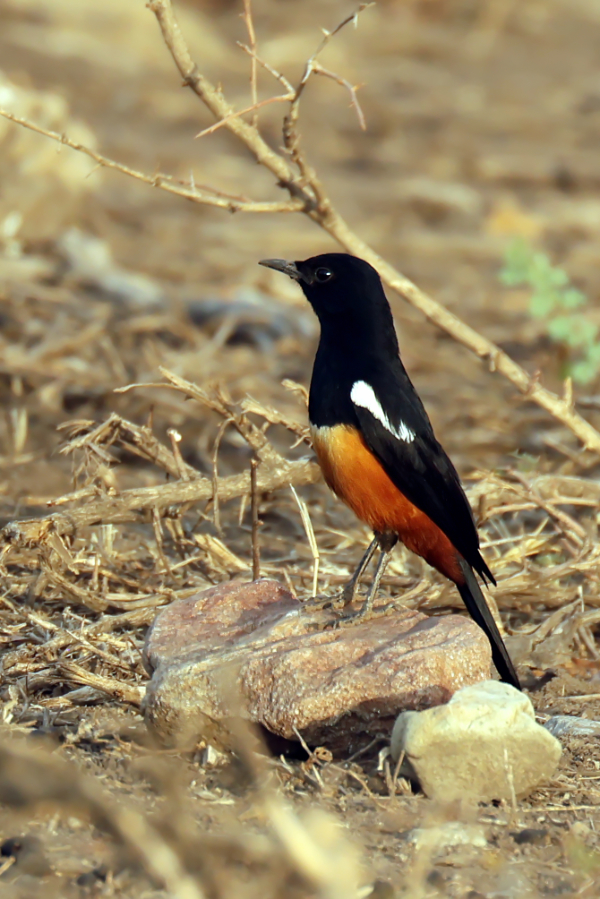 4716 The mocking cliff-chat likes to imitate the sounds of other birdss
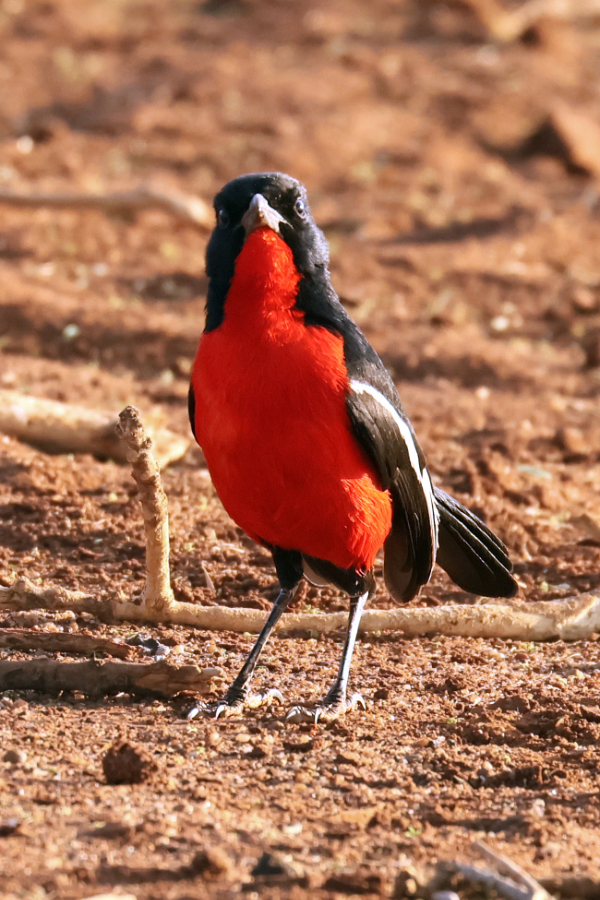 4717 Crimson-breasted shrikes are also known as gonoleks or boubous
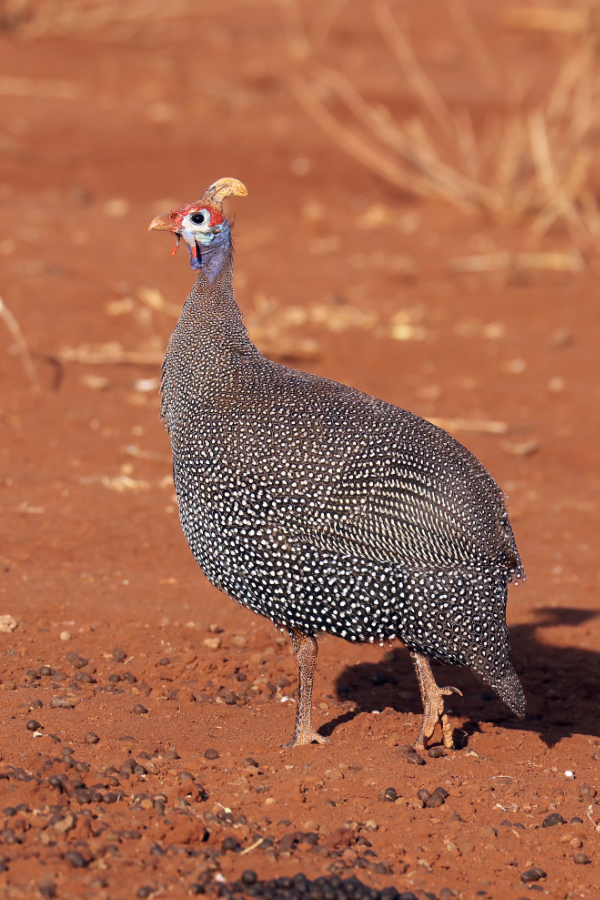 4718 A helmeted guineafowl
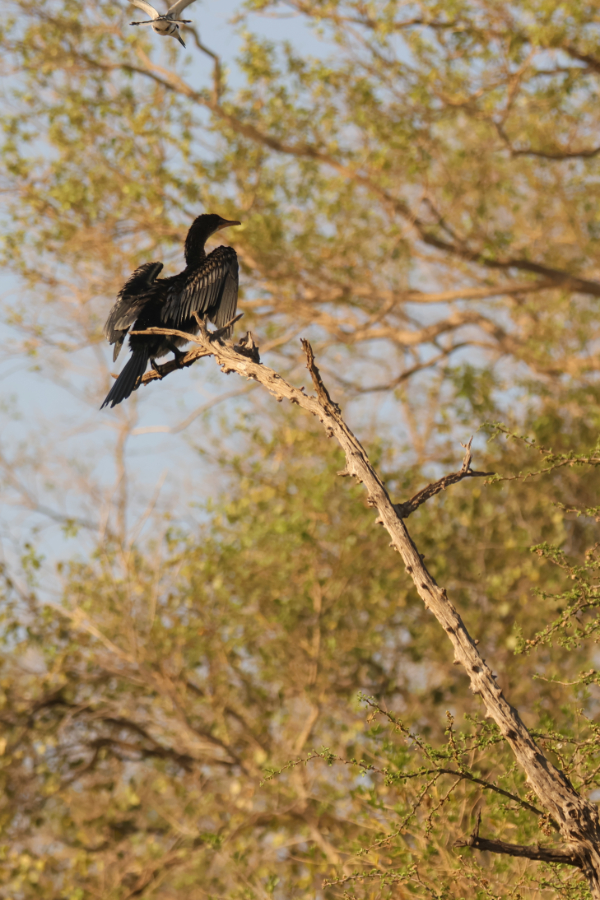 4719 Reed cormorant drying off. Cormorants don't have fully waterproof feathers
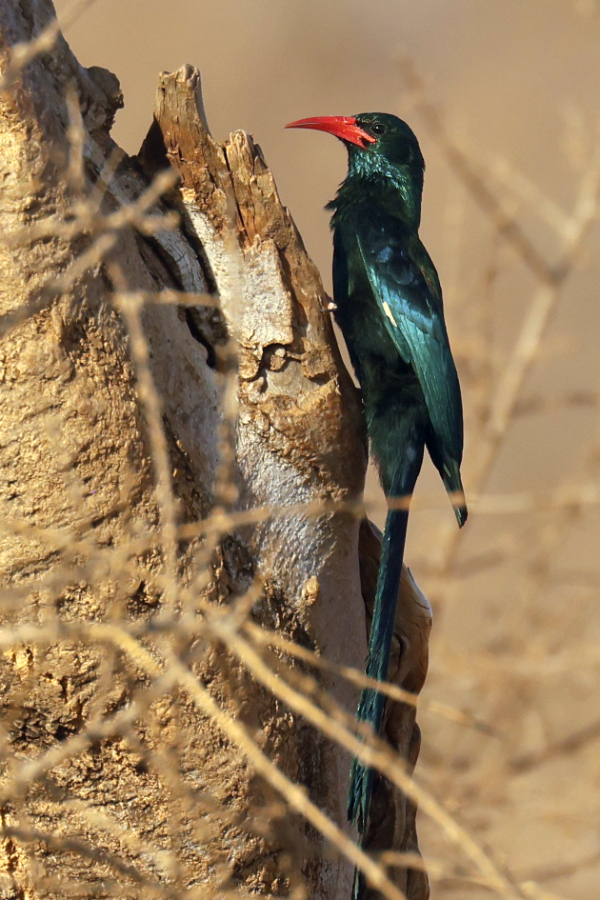 4720 Superbly coloured green-wood hoopoe
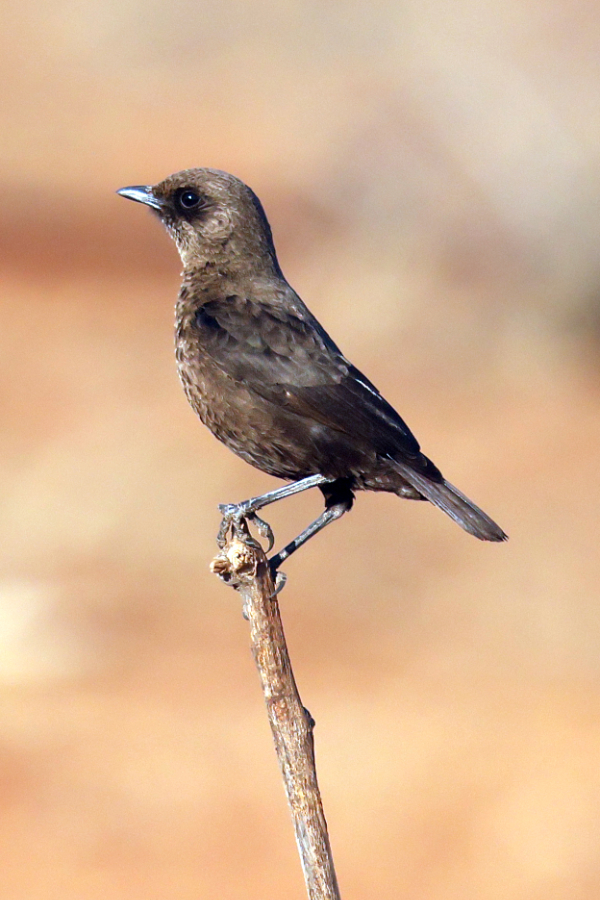 4721 Female ant-eating chat. The female lacks the male's small white wing bar